Artificial Intelligence (AI) is no longer a futuristic concept—it is already reshaping how we work, hire, and build businesses. From automated customer service to AI-powered content creation, many people are asking the same question: Will AI replace human jobs, or will it create new opportunities?
In this article, we explore the real impact of AI on jobs, which careers are most at risk, which roles are growing, and how humans can stay relevant in the future of work.
What Is AI and Why It Matters for Jobs
Artificial Intelligence refers to machines and software that can perform tasks that normally require human intelligence. These tasks include learning, decision-making, language understanding, image recognition, and automation.
AI matters for jobs because businesses use it to:
- Reduce costs
- Increase productivity
- Work faster and smarter
- Automate repetitive tasks
This transformation affects almost every industry, from healthcare to marketing.
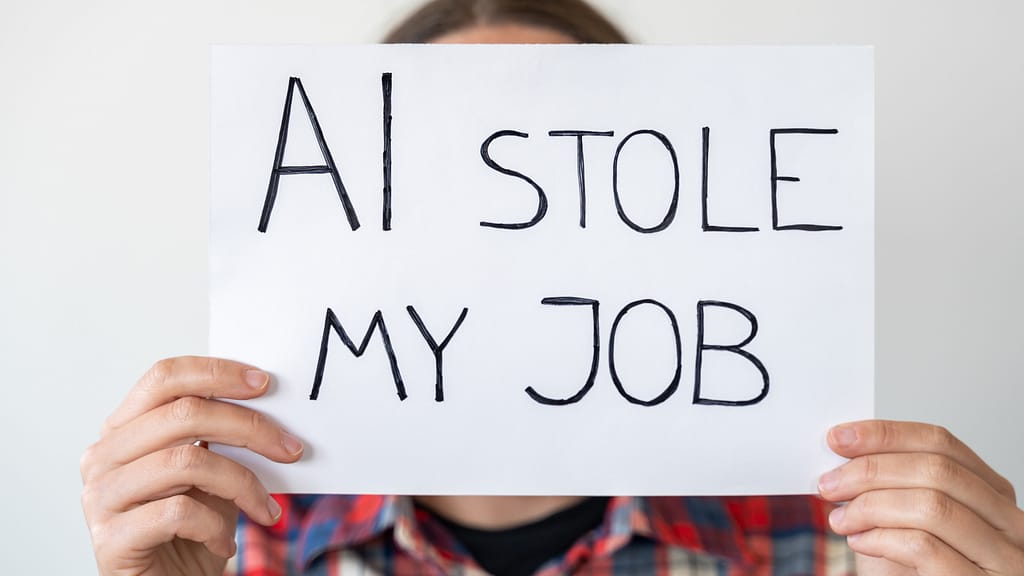
Jobs Most at Risk of AI Automation
AI is especially good at handling repetitive, rule-based, and data-heavy tasks. Some jobs are more vulnerable than others.
1. Data Entry and Administrative Jobs
AI tools can now process data faster and more accurately than humans. Tasks like data entry, scheduling, and basic reporting are increasingly automated.
2. Customer Support (Basic Level)
Chatbots and AI assistants handle thousands of customer questions instantly. While complex issues still need humans, basic support roles are declining.
3. Manufacturing and Assembly Jobs
Robots powered by AI work 24/7, don’t get tired, and reduce errors. Many factories now rely heavily on automation.
4. Basic Content Writing
AI can generate simple articles, product descriptions, and social media posts. This reduces demand for low-level content writing.
Jobs That AI Cannot Fully Replace
Despite its power, AI has limitations. It lacks true emotions, creativity, ethics, and human judgment.
1. Creative Roles
Designers, filmmakers, artists, and storytellers still have an advantage. AI can assist, but humans create originality and emotional connection.
2. Healthcare Professionals
Doctors, nurses, and therapists rely on empathy, critical thinking, and human interaction. AI supports diagnosis but doesn’t replace care.
3. Leadership and Management
Decision-making, motivation, negotiation, and vision are deeply human skills that AI cannot fully replicate.
4. Education and Coaching
Teachers, mentors, and coaches provide emotional intelligence, adaptability, and personal guidance.
New Jobs Created by AI
AI doesn’t only destroy jobs—it creates new ones.
1. AI Specialists and Engineers
People who build, train, and manage AI systems are in high demand.
2. Prompt Engineers
These professionals specialize in communicating effectively with AI tools to get the best results.
3. AI Content Editors
Humans are needed to review, improve, and add originality to AI-generated content.
4. Automation Consultants
Businesses hire experts to help them integrate AI tools into workflows.
AI as a Tool, Not a Replacement
The future of work is not AI vs humans, but AI + humans.
AI works best when it:
- Assists humans
- Automates boring tasks
- Enhances productivity
Humans still control strategy, creativity, ethics, and decision-making.
Skills Humans Must Learn to Survive the AI Era
To stay competitive, workers must adapt.
1. Digital Skills
Understanding AI tools, automation platforms, and digital systems is essential.
2. Critical Thinking
AI provides information, but humans must analyze and apply it correctly.
3. Creativity
Original ideas and innovation remain a human advantage.
4. Emotional Intelligence
Empathy, communication, and leadership are irreplaceable skills.
Remote Work and AI: A Powerful Combination
AI supports the rise of remote work by:
- Automating workflows
- Improving collaboration
- Enabling digital businesses
Freelancers and online entrepreneurs can now build income streams with fewer resources.
AI and the Gig Economy
AI empowers individuals to:
- Create digital products
- Run online businesses
- Offer AI-assisted services
This shift allows people to earn income without traditional jobs.
Ethical Concerns and Job Security
AI also raises concerns:
- Job displacement
- Bias in algorithms
- Privacy issues
Governments and companies must balance innovation with responsibility.
How to Prepare for the Future of Work
Here’s how individuals can stay ahead:
- Learn how AI tools work
- Use AI to improve productivity
- Focus on human skills
- Build multiple income streams
- Stay adaptable and curious
Final Thoughts: AI vs Human Jobs
AI will change jobs—but it won’t eliminate the need for humans.
Those who resist AI may struggle, but those who embrace and master it will thrive.
The future of work belongs to people who know how to work with AI, not against it.